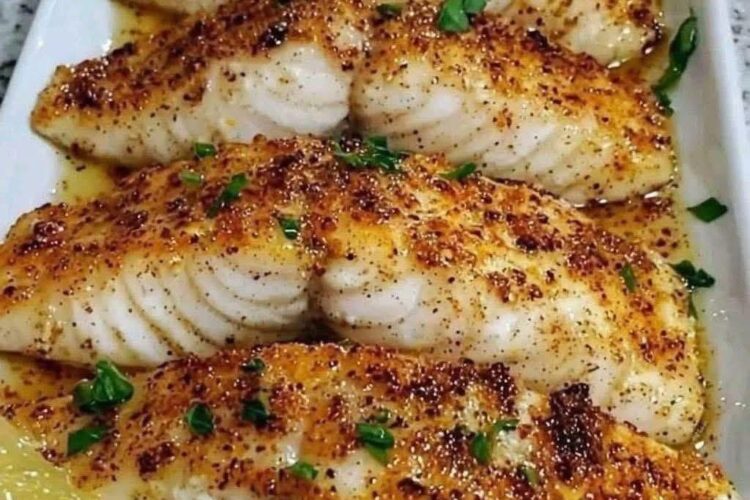
A Bright, Buttery Classic That Elevates Any Dish
Introduction
If there’s one kitchen technique that instantly transforms a simple meal into something elegant and restaurant-worthy, it’s the art of making a lemon butter pan sauce. Often referred to casually as “The Lemon Butter Pan,” this isn’t a single recipe but rather a foundational method every home cook should know. It’s quick, versatile, and delivers bold flavor with minimal effort.
This silky, tangy sauce is most famously paired with delicate seafood like scallops, shrimp, or white fish, but its uses don’t stop there. It can just as easily enhance chicken, vegetables, or even pasta. The balance of richness from butter and brightness from fresh lemon creates a harmony of flavors that feels both light and indulgent.
In this blog post, you’ll learn not only how to master the classic lemon butter pan sauce, but also how to apply it in one of its most beloved dishes: pan-seared scallops with lemon butter sauce. Along the way, we’ll break down each component, share expert tips, and answer common questions to help you perfect this essential culinary skill.
What Is a Lemon Butter Pan Sauce?
A lemon butter pan sauce is a quick sauce made in the same pan used to cook your main ingredient. It relies on the flavorful browned bits left behind—called fond—which are deglazed and combined with liquid, acid, and butter to create a smooth, glossy finish.
This method is widely used in professional kitchens because it builds layers of flavor in just minutes. Once you understand the technique, you can adapt it endlessly.
The Master Lemon Butter Pan Sauce Recipe
Yields: Sauce for 2–3 servings
Prep Time: 2 minutes
Cook Time: 5 minutes
Core Ingredients and Their Roles
Understanding each ingredient is key to mastering the sauce:
- The Fond: These are the golden-brown bits left in the pan after searing. They are packed with deep, savory flavor and form the base of the sauce.
- The Aromatic:
1–2 cloves garlic (minced) or 1 small shallot (minced). This adds fragrance and depth. - The Acid:
¼ cup fresh lemon juice + 1 teaspoon lemon zest. This brings brightness and balances the richness of the butter. - The Liquid:
2–3 tablespoons chicken broth, vegetable broth, or dry white wine. This helps dissolve the fond and adds complexity. - The Fat:
3–4 tablespoons cold unsalted butter, cut into cubes. This creates the sauce’s creamy texture. - The Herb:
Fresh parsley, chives, or tarragon for a fresh, aromatic finish.
Step-by-Step Method
Start immediately after removing your cooked protein from the pan.
1. Sauté the Aromatics
Lower the heat to medium. Add the minced garlic or shallot to the same pan. Cook for about 30–60 seconds until fragrant. Avoid browning or burning.
2. Deglaze the Pan
If using wine, pour in about 2 tablespoons and let it simmer. Use a whisk or spoon to scrape up the fond from the bottom of the pan.
Add the lemon juice and broth, then allow the mixture to reduce by about half. This step intensifies the flavor.
3. Mount with Butter
Reduce heat to low. Add the cold butter one cube at a time, whisking continuously. Each piece should fully melt and emulsify before adding the next. This creates a smooth, glossy sauce.
Important: Do not let the sauce boil after adding butter, or it may separate.
4. Finish the Sauce
Turn off the heat. Stir in lemon zest and fresh herbs. Season with salt and black pepper to taste.
5. Serve Immediately
Spoon the sauce over your cooked protein or dish while it’s still warm and silky.
Classic Recipe: Pan-Seared Scallops with Lemon Butter Sauce
Now that you understand the technique, let’s apply it to a stunning yet simple dish.
Serves: 2
Ingredients
- 10–12 large sea scallops (dry-packed preferred)
- Salt and freshly ground black pepper
- 1 tablespoon olive oil
- 1 tablespoon unsalted butter
- 2 cloves garlic, minced
- 2 tablespoons dry white wine (optional)
- 3 tablespoons fresh lemon juice
- 3 tablespoons cold unsalted butter, cubed
- 1 tablespoon fresh parsley, chopped
- 1 teaspoon lemon zest
Instructions
1. Prepare the Scallops
Pat the scallops very dry using paper towels. This is essential for achieving a golden crust. Season generously with salt and pepper.
2. Sear the Scallops
Heat olive oil and 1 tablespoon butter in a skillet over medium-high heat until very hot.
Place the scallops in the pan without crowding. Sear for 1.5 to 2 minutes per side without moving them. They should develop a deep golden crust and remain slightly translucent in the center.
Remove and set aside.
3. Make the Lemon Butter Sauce
Reduce heat to medium. Add garlic and cook briefly until fragrant.
Deglaze with white wine (if using), then add lemon juice. Scrape up the browned bits and let the liquid reduce.
Lower heat and whisk in the cold butter cubes until the sauce becomes smooth and creamy.
Remove from heat and stir in parsley and lemon zest.
4. Serve
Return the scallops to the pan briefly to warm, or plate them and spoon the sauce over the top. Serve immediately for best texture and flavor.
Tips for Success
Mastering this sauce is simple, but a few details make all the difference:
Choose Dry-Packed Scallops
Dry-packed scallops sear better because they don’t release excess moisture. Wet-packed scallops often steam instead of brown.
Avoid Crowding the Pan
Too many ingredients at once will trap steam and prevent proper searing. Cook in batches if needed.
Always Use Cold Butter
Cold butter emulsifies more effectively, giving the sauce its signature silky texture.
Control the Heat
High heat is great for searing, but the sauce requires gentle heat. Too much heat can cause the butter to separate.
Taste and Adjust
A perfect sauce balances richness, acidity, and seasoning. Adjust with more lemon juice, salt, or herbs as needed.
Delicious Variations
Once you’ve mastered the base recipe, try these variations:
Caper and Herb Version
Add a tablespoon of rinsed capers when cooking the garlic. This adds a briny, tangy twist.
Creamy Lemon Butter Sauce
After reducing the liquid, stir in 2–3 tablespoons of heavy cream. Let it simmer briefly, then add the butter.
Garlic-Lemon Intensity
Increase garlic and add a pinch of red pepper flakes for a bolder flavor.
What Can You Serve It With?
This sauce is incredibly versatile. Try it with:
- Pan-seared or grilled chicken breast
- White fish like cod, halibut, or salmon
- Steamed vegetables such as asparagus or green beans
- Pasta with a splash of reserved pasta water
- Shrimp or other seafood dishes
Frequently Asked Questions
Why did my sauce turn oily?
This happens when the butter gets too hot and separates. To fix it, remove from heat and whisk in a tablespoon of cold water or cream.
Can I use bottled lemon juice?
Fresh lemon juice is strongly recommended. Bottled juice often has a dull or slightly bitter taste that affects the final result.
What can I use instead of wine?
You can substitute with extra broth or simply increase the lemon juice. The sauce will still taste great, though wine adds extra depth.
Can I make it ahead of time?
This sauce is best made fresh. Reheating can cause it to separate, so it’s ideal to prepare it just before serving.
Final Thoughts
The lemon butter pan sauce is a true kitchen essential—simple, fast, and incredibly rewarding. Once you understand the technique, you’ll find yourself using it again and again to elevate everyday meals.
Whether you’re preparing an elegant seafood dinner or just looking to add flavor to vegetables or chicken, this sauce delivers every time. With just a few ingredients and a hot pan, you can create something that feels refined, balanced, and deeply satisfying.
Master it once, and it will become one of your most reliable and impressive cooking skills.