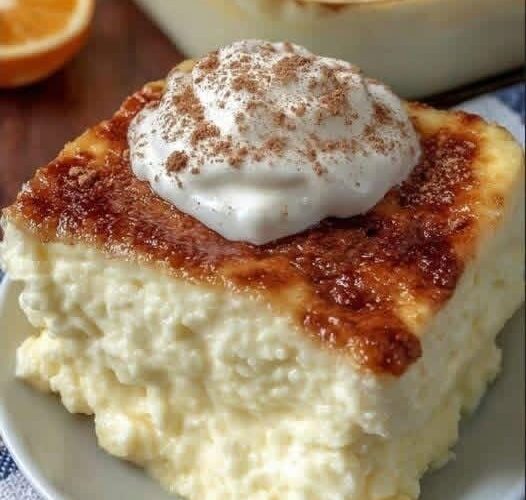
There’s something truly special about desserts that have stood the test of time, and the old-fashioned custard pie is one of those beloved classics. Simple, elegant, and deeply comforting, this pie brings together humble ingredients to create a silky, rich filling nestled in a flaky crust. It’s the kind of dessert that feels like home—whether you remember it from family gatherings, holiday tables, or cozy weekends in the kitchen.
Custard pie has been a staple in traditional baking for generations. Long before elaborate desserts filled bakery shelves, recipes like this were cherished for their simplicity and reliability. With just eggs, milk, sugar, and a hint of nutmeg, this pie transforms everyday ingredients into something truly magical.
In this blog-style recipe guide, you’ll learn everything you need to make a perfect old-fashioned custard pie—from preparation tips to serving ideas—so you can recreate this nostalgic treat with confidence.
Why You’ll Love This Custard Pie
This recipe is a celebration of simplicity. You don’t need fancy equipment or hard-to-find ingredients. It’s perfect for beginner bakers while still delivering a result that feels refined and satisfying.
Here’s why this custard pie deserves a spot in your recipe collection:
- Easy to Make: Minimal steps and simple mixing.
- Budget-Friendly: Uses basic pantry staples.
- Versatile: Delicious warm or chilled.
- Comforting Flavor: Smooth, creamy texture with a delicate hint of spice.
- Perfect for Any Occasion: From casual family dinners to festive gatherings.
Ingredients for Old-Fashioned Custard Pie
Before you begin, gather all your ingredients. Using fresh, high-quality items will make a noticeable difference in flavor and texture.
For the Pie:
- 1 unbaked deep-dish pie shell
- 3 large eggs
- ½ cup granulated sugar
- ½ teaspoon salt
- ½ teaspoon ground nutmeg (plus extra for garnish)
- 2 ⅔ cups whole milk (or half-and-half for a richer texture)
- 1 teaspoon pure vanilla extract
Understanding the Ingredients
Each ingredient plays an important role in creating the perfect custard pie:
- Eggs: The backbone of the custard, providing structure and that classic silky texture.
- Milk: Adds creaminess and balances the richness of the eggs.
- Sugar: Sweetens the filling without overpowering it.
- Nutmeg: Gives the pie its signature warm, slightly spiced flavor.
- Vanilla Extract: Enhances the overall aroma and depth.
- Pie Crust: A flaky base that contrasts beautifully with the smooth filling.
How to Make Traditional Custard Pie
Making custard pie is easier than you might think. Follow these step-by-step instructions for a flawless result.
Step 1: Preheat the Oven
Preheat your oven to 350°F (175°C). This ensures even baking and helps the custard set properly.
Step 2: Prepare the Custard Filling
In a large mixing bowl:
- Lightly beat the eggs until just combined. Avoid overmixing, as this can introduce too much air into the custard.
- Add the sugar, salt, and ground nutmeg.
- Slowly pour in the milk while whisking gently.
- Stir in the vanilla extract.
Mix everything until smooth and well combined. The mixture should be silky and slightly frothy on top.
Step 3: Fill the Pie Shell
Place your unbaked pie crust on a baking sheet (this makes it easier to transfer in and out of the oven).
Carefully pour the custard mixture into the pie shell. Fill it slowly to avoid spills.
Step 4: Bake the Pie
Transfer the pie to the oven and bake for 35–40 minutes.
You’ll know it’s ready when:
- The edges are set
- The center has a slight jiggle but is not liquid
- A knife inserted near the center comes out clean
Be careful not to overbake, as this can cause the custard to become rubbery instead of creamy.
Step 5: Cool and Garnish
Remove the pie from the oven and let it cool completely on a wire rack.
As it cools, the custard will continue to set. Once cooled, sprinkle a little freshly grated nutmeg on top for that classic finish.
Tips for the Perfect Custard Pie
To make sure your pie turns out just right every time, keep these helpful tips in mind:
1. Don’t Overmix the Eggs
Overmixing can create bubbles, leading to a less smooth texture.
2. Use Warm (Not Hot) Milk
Slightly warming the milk can help the ingredients combine more easily, but avoid hot milk as it can cook the eggs prematurely.
3. Avoid Overbaking
Custard continues to cook after it’s removed from the oven. Take it out when the center still has a gentle wobble.
4. Protect the Crust
If the edges of your crust start browning too quickly, cover them with foil or a pie shield.
Serving Suggestions
One of the best things about custard pie is how versatile it is when it comes to serving.
Enjoy It Warm
Serve slightly warm for a soft, comforting dessert experience.
Chill for a Firmer Texture
Refrigerate for a few hours if you prefer a more set, sliceable pie.
Add Toppings
Enhance your pie with:
- A dollop of whipped cream
- Fresh berries like strawberries or blueberries
- A light dusting of powdered sugar
Pair It With a Drink
Custard pie pairs beautifully with:
- Coffee
- Tea
- A glass of cold milk
Storing Leftovers
If you have leftovers (which isn’t always guaranteed!), here’s how to store them properly:
- Cover the pie with plastic wrap or foil
- Store in the refrigerator for up to 3 days
- Serve chilled or let it sit at room temperature for a few minutes before eating
Avoid freezing custard pie, as it can affect the texture and cause it to become watery.
A Bit of History
Custard pies have roots that go back centuries, originating from European baking traditions. Early versions were often made with whatever dairy and eggs were available, making them a practical and nourishing dessert.
Over time, the recipe evolved into the sweet version we know today, with sugar and spices like nutmeg adding warmth and flavor. In many households, custard pie became a symbol of comfort and tradition—something passed down through generations.
Variations to Try
Once you’ve mastered the classic version, you can experiment with a few variations:
Coconut Custard Pie
Add shredded coconut for extra texture and flavor.
Cinnamon-Spiced Custard
Replace nutmeg with cinnamon or use a blend of spices.
Caramel Custard Pie
Drizzle caramel sauce over the top before serving.
Crustless Custard Pie
Skip the crust entirely for a lighter, gluten-free option.
Final Thoughts
Old-fashioned custard pie is proof that simple recipes can be the most memorable. With its creamy texture, delicate sweetness, and comforting aroma, it’s a dessert that never goes out of style.
Whether you’re baking it for a special occasion or just because you’re craving something homemade, this custard pie is sure to deliver warmth and satisfaction in every bite.
Take your time, enjoy the process, and don’t be surprised if this recipe becomes a regular favorite in your kitchen.