Introduction
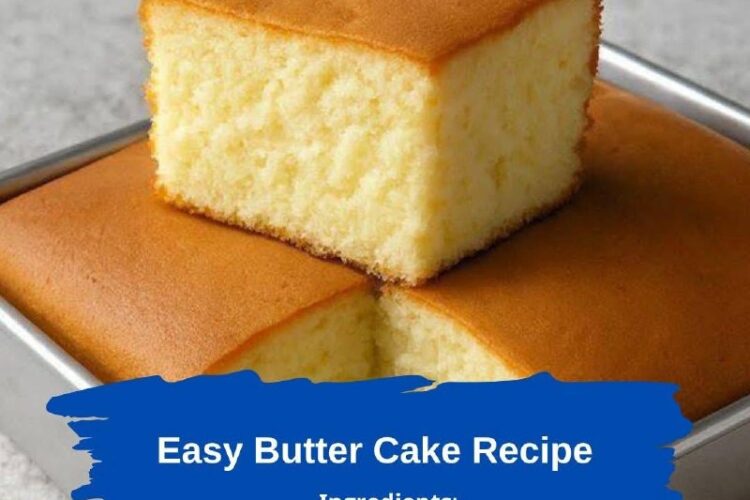
There’s something timeless about a simple butter cake. It doesn’t rely on elaborate decorations or complex techniques to impress. Instead, it wins you over with its rich flavor, soft crumb, and comforting aroma that fills the kitchen as it bakes. This is the kind of cake many people remember from childhood—served plain on a plate, perhaps with a cup of tea or coffee, and enjoyed without any fuss.
In a world full of trendy desserts and complicated baking projects, the butter cake stands as a reminder that simplicity can be just as satisfying. Its golden crust, tender interior, and balanced sweetness make it a staple in kitchens around the world. Whether you are baking for your family, preparing a dessert for guests, or simply craving something homemade, this easy butter cake delivers every time.
What makes this particular recipe stand out is how approachable it is. You don’t need advanced skills or special equipment. The ingredients are basic pantry staples, and the method is straightforward enough for beginners while still producing results that experienced bakers will appreciate. It’s a reliable, no-fail recipe that you can return to again and again.
Another reason this cake is so beloved is its versatility. It can be enjoyed on its own, or dressed up with fresh fruit, cream, or a light glaze. You can serve it as a casual snack, a dessert after dinner, or even as part of a celebratory spread. No matter how you present it, it always feels appropriate and satisfying.
This blog post will guide you through everything you need to know—from ingredients and step-by-step instructions to helpful tips, variations, storage advice, and answers to common questions. By the end, you’ll have all the confidence you need to bake a perfect butter cake from scratch.
Nutritional Information (Per Serving, Approximate)
- Calories: 350
- Protein: 4g
- Carbohydrates: 45g
- Fat: 18g
- Fiber: 1g
- Sodium: 200mg
Ingredients
To make this easy butter cake, you will need:
- 2 ½ cups (300g) all-purpose flour, sifted
- 1 teaspoon baking powder
- ½ teaspoon salt
- 1 cup (226g) unsalted butter, softened to room temperature
- 1 ¾ cups (350g) granulated sugar
- 4 large eggs, at room temperature
- 1 cup (240ml) whole milk, at room temperature
- 2 teaspoons pure vanilla extract
These ingredients are simple but work together to create a cake that is rich, moist, and perfectly balanced.
Step-by-Step Instructions
1. Prepare Your Oven and Pan
Preheat your oven to 350°F (175°C). Grease and flour a 9×9-inch square pan or a 9-inch round cake pan. Make sure every corner is well coated to prevent sticking.
2. Mix the Dry Ingredients
In a medium bowl, whisk together the sifted flour, baking powder, and salt. This step ensures even distribution and helps create a lighter texture.
3. Cream Butter and Sugar
In a large mixing bowl, beat the softened butter and sugar together using an electric mixer. Continue mixing for about 3 to 5 minutes until the mixture becomes light, fluffy, and pale in color. This step is essential because it incorporates air into the batter.
4. Add the Eggs
Add the eggs one at a time, mixing well after each addition. This helps the batter stay smooth and prevents curdling.
5. Combine Wet and Dry Ingredients
Reduce the mixer speed to low. Add one-third of the dry ingredients and mix gently. Then add half of the milk. Continue alternating between dry ingredients and milk, ending with the dry mixture. Mix just until combined.
6. Add Vanilla Extract
Stir in the vanilla extract using a spatula, ensuring it is evenly distributed throughout the batter.
7. Transfer to Pan
Pour the batter into the prepared pan and spread it evenly.
8. Bake the Cake
Bake for 35 to 45 minutes. The cake is done when the top is golden and a toothpick inserted into the center comes out clean or with a few moist crumbs.
9. Cool the Cake
Let the cake cool in the pan for about 10 to 15 minutes. Then transfer it to a wire rack to cool completely.
10. Serve
Once fully cooled, slice and serve. Enjoy it plain or with your favorite toppings.
Baking Tips for Perfect Results
A great butter cake depends on a few key techniques. First, always use room temperature ingredients. Softened butter blends more easily with sugar, and room temperature eggs mix smoothly into the batter. This creates a uniform texture and helps the cake rise properly.
Another important tip is to avoid overmixing. Once you add the flour, mix only until the ingredients are combined. Overmixing develops gluten, which can make the cake dense and tough instead of soft and tender.
Measuring ingredients accurately is also crucial. Too much flour can result in a dry cake. If possible, use a kitchen scale. If using measuring cups, spoon the flour into the cup and level it off instead of scooping directly from the bag.
Finally, keep an eye on baking time. Every oven is slightly different, so start checking your cake a few minutes before the minimum baking time. Overbaking can quickly dry out the cake.
Variations and Flavor Ideas
One of the best things about butter cake is how easy it is to customize. Here are a few ideas to try:
- Citrus Flavor: Add lemon or orange zest to the batter for a fresh, bright taste.
- Almond Twist: Replace part of the vanilla extract with almond extract.
- Chocolate Chips: Fold in a cup of chocolate chips for a richer dessert.
- Nutty Addition: Add chopped walnuts or almonds for texture.
- Fruit Swirl: Swirl in jam or fruit preserves before baking.
You can also top the cake with a simple glaze made from powdered sugar and milk or lemon juice for extra sweetness.
Storage and Reheating
To keep your butter cake fresh, store it in an airtight container at room temperature. It will stay soft and delicious for up to 3–4 days. Avoid refrigerating it unless necessary, as this can dry out the texture.
For longer storage, you can freeze the cake. Wrap it tightly in plastic wrap and then in foil. It can be frozen for up to 2–3 months. When ready to eat, thaw it in the refrigerator overnight and bring it to room temperature before serving.
If you prefer warm cake, reheat slices in the microwave for about 15–30 seconds. You can also warm the whole cake in a low oven for a few minutes.
Frequently Asked Questions
What makes this recipe easy?
This recipe uses simple ingredients and clear steps. There are no complicated techniques, making it ideal for beginners.
Can I substitute ingredients?
Yes, with some adjustments. You can use salted butter (reduce added salt slightly) or lower-fat milk, though whole milk gives the best texture.
Why did my cake turn out dry?
This is usually caused by overbaking or adding too much flour. Make sure to measure carefully and check the cake early.
How do I prevent sticking?
Grease and flour your pan thoroughly. You can also line the bottom with parchment paper for extra protection.
Final Thoughts
This easy butter cake proves that you don’t need complicated recipes to create something truly delicious. With its soft texture, rich flavor, and endless versatility, it’s a recipe worth keeping in your collection.
Whether you enjoy it plain, dress it up with toppings, or experiment with flavors, this cake is sure to become a favorite in your kitchen. Once you master it, you’ll always have a dependable dessert ready for any occasion.