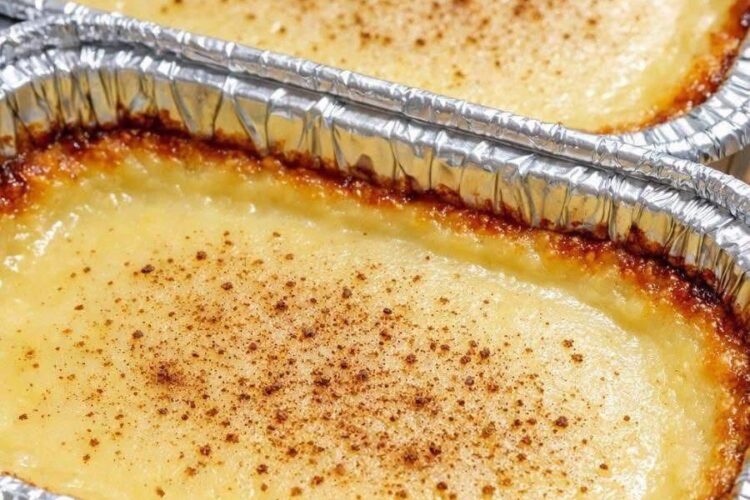
There’s a special category of desserts that don’t feel like “cheating,” yet still satisfy a deep craving for something sweet, creamy, and comforting. This Low Carb Baked Egg Custard belongs exactly in that space.
It’s the kind of recipe that quietly surprises you. No complicated techniques. No long ingredient list. No stress about whether it will set correctly or collapse in the oven. Just a smooth, vanilla-scented custard that feels like something between a homemade pudding and a light crème brûlée—soft, warm, and incredibly soothing.
What makes it even more special is its simplicity. With only a few basic ingredients and minimal prep, it fits beautifully into a low-carb or sugar-conscious lifestyle without feeling like a compromise. It’s the kind of dessert you can make on a weekday evening, not just for special occasions.
This recipe is inspired by old-fashioned custards—simple desserts made in home kitchens long before “low carb” became a trend. The goal here isn’t to reinvent custard, but to bring it back to its purest, most practical form.
Why This Low Carb Custard Works So Well
A lot of modern “healthy desserts” tend to overcomplicate things. They rely on long lists of alternative flours, artificial flavors, or complicated baking methods that defeat the purpose of simple home cooking.
This custard avoids all of that.
Instead, it focuses on balance and technique:
- Minimal ingredients, maximum texture
- No added sugar, no flour, no starches
- Naturally rich from eggs and cream
- Soft set without water bath anxiety
The result is a dessert that feels indulgent but stays light on sugar and carbohydrates. Each spoonful is smooth, gently sweet, and satisfying enough that you don’t feel the need to overeat it.
It’s also incredibly versatile—equally good warm from the oven or chilled from the fridge.
Ingredients You’ll Need
This recipe is built on simplicity. Everything here serves a purpose, and nothing is unnecessary.
The Base
4 large eggs (room temperature)
Eggs are the structural foundation of this custard. They give it body and help it set into that silky, spoonable texture. Room-temperature eggs mix more evenly, which helps prevent lumps and uneven baking.
2 cups heavy cream (or whipping cream)
This is where the richness comes from. The cream softens the eggs and creates that smooth, melt-in-your-mouth consistency. You can use half-and-half for a lighter version, but the texture will be slightly less luxurious.
For a dairy-free option, full-fat coconut milk works surprisingly well and adds a subtle tropical note.
⅓ cup granulated erythritol or monk fruit sweetener
This replaces sugar without affecting blood glucose levels. Choose a granulated version for best texture. Liquid sweeteners are not recommended because they can alter the custard structure.
Optional Enhancements
- 1–2 teaspoons vanilla extract (highly recommended)
- A pinch of salt (balances sweetness and deepens flavor)
- Cinnamon or nutmeg for a warm, cozy finish
These additions are optional, but they help turn a simple custard into something more aromatic and layered.
Step-by-Step Instructions
This recipe is intentionally easy, but technique still matters. Custard is simple—but sensitive.
1. Preheat and Prepare
Set your oven to 325°F (165°C). Lightly grease a pie dish or 4–6 ramekins.
Unlike traditional custards, this version does not require a water bath. That’s part of what makes it so approachable. The lower oven temperature does the gentle work for you.
2. Whisk the Eggs and Sweetener
In a mixing bowl, whisk the eggs and sweetener until the mixture becomes smooth and slightly airy. You don’t need to aggressively whip it—just enough to dissolve the sweetener and blend everything evenly.
If you’re using vanilla or salt, add them here.
The goal is uniformity, not foam.
3. Add the Cream Slowly
Pour in the heavy cream gradually while whisking gently.
This step helps prevent the eggs from curdling and ensures a smooth custard base. Try not to overmix or create too many bubbles—air pockets can affect the final texture.
If foam forms on top, let the mixture sit for a few minutes and gently skim it off.
4. Bake Gently
Pour the mixture into your prepared dish or ramekins. Place them on a baking tray for stability.
Bake for:
- 35–40 minutes for a large dish
- 25–30 minutes for ramekins
The custard is ready when:
- The edges are set
- The center still has a slight wobble
- It looks soft but not liquid
Do not overbake. Custard continues to firm up as it cools, and overbaking is the most common mistake.
5. Cool and Serve
Allow the custard to cool at room temperature for 15–20 minutes.
You can enjoy it:
- Warm (soft, comforting, almost pudding-like)
- Chilled (firmer, more refreshing, classic custard texture)
Refrigerating for at least one hour enhances the flavor and improves the set.
Top with cinnamon, a few berries, or a spoon of whipped cream if desired.
Tips for Perfect Custard Every Time
Even though this recipe is simple, a few small details can make a big difference.
Strain for Extra Smoothness
For restaurant-level texture, pour the mixture through a fine sieve before baking. This removes any tiny egg strands.
Control Your Oven Temperature
Custard is sensitive to heat. If your oven runs hot, reduce the temperature slightly to avoid curdling or cracking.
Watch the Jiggle
The best doneness test is visual. The center should gently wobble like set gelatin—not slosh like liquid.
Prevent a Skin
If you prefer a completely smooth surface, press plastic wrap directly onto the custard while it cools.
Flavor Variations to Try
This base recipe is incredibly flexible. Once you master it, you can easily customize it.
Citrus Custard
Add lemon or orange zest for a bright, refreshing flavor.
Chocolate Espresso Version
Mix in 1 tablespoon cocoa powder and a small pinch of instant coffee for a mocha-style custard.
Coconut Almond Twist
Use coconut milk instead of cream and add a drop of almond extract for a tropical aroma.
Berry Baked Custard
Drop a few berries into the mixture before baking. They soften and create natural bursts of fruit flavor.
Crème Brûlée Inspired Finish
After chilling, sprinkle sweetener on top and caramelize it with a kitchen torch for a crisp sugar-free crust.
Troubleshooting Common Issues
Why is my custard grainy?
It was likely baked too long or at too high a temperature. Custard needs gentle heat.
Why does it taste eggy?
This usually happens when the balance of cream and flavoring is off. Vanilla and sweetener help mask any egg flavor.
Why did it crack?
Overbaking or rapid temperature changes can cause surface cracks. Remove it earlier next time and let it cool gradually.
Can I make it ahead?
Yes. It stores well in the fridge for up to 3 days and often tastes better the next day as flavors settle.
Is This Custard Keto-Friendly?
Yes. This recipe is naturally low in carbohydrates and fits well into ketogenic, low-sugar, or diabetic-friendly eating styles. The combination of eggs and cream provides fat and protein without spiking blood sugar.
Final Thoughts
This Low Carb Baked Egg Custard is proof that dessert doesn’t need to be complicated to feel special. With just a few ingredients and a simple baking method, you get something that feels both nostalgic and modern at the same time.
It’s soft, comforting, lightly sweet, and endlessly adaptable. Whether you eat it warm from the oven or chilled from the fridge, it delivers that quiet satisfaction that many desserts try—but rarely achieve.
Simple food doesn’t have to be boring. Sometimes, it’s exactly what you need.
If you try it, you can easily make it your own—adjust the sweetness, add flavor twists, or keep it classic. Either way, it’s the kind of recipe that tends to stay in rotation once you’ve made it once.
And that’s usually how the best recipes work.