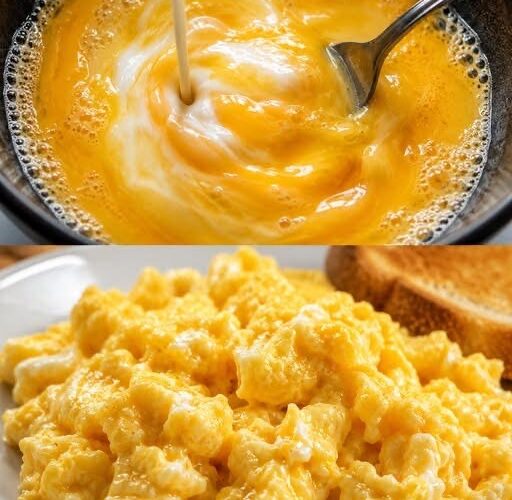
There’s something magical about a plate of perfectly scrambled eggs. Soft, creamy, buttery, and delicately fluffy, they transform one of the simplest ingredients in your kitchen into a luxurious breakfast experience. Yet despite their simplicity, scrambled eggs are surprisingly easy to get wrong. Too much heat, too little patience, or a few extra seconds in the pan can quickly turn them dry, rubbery, and disappointing.
The good news? Perfect scrambled eggs don’t require expensive cookware, professional culinary training, or complicated ingredients. All you need is a handful of fresh eggs, a good pan, and the right technique. Once you understand the gentle art of cooking eggs slowly and carefully, you’ll never settle for bland diner-style scrambles again.
This recipe focuses on the classic low-and-slow method favored by chefs because it creates soft, velvety curds that practically melt in your mouth. Whether you enjoy your eggs plain and simple or loaded with cheese and herbs, this guide will help you master one of breakfast’s greatest comfort foods.
Why You’ll Love This Recipe
Foolproof and Beginner-Friendly
Even if you’ve struggled with scrambled eggs before, this method is simple and approachable. With a little patience, anyone can master it.
Soft, Creamy Texture
Cooking over gentle heat keeps the eggs tender instead of tough and dry.
Fast and Easy
You can make restaurant-quality scrambled eggs in less than 10 minutes.
Customizable
Keep them classic or add cheese, herbs, vegetables, smoked salmon, or crispy bacon.
Perfect Any Time of Day
Scrambled eggs aren’t just for breakfast. They make a quick lunch, easy dinner, or satisfying late-night meal.
The Secret to Perfect Scrambled Eggs
Great scrambled eggs come down to three essential principles:
1. Use Fresh Eggs
Fresh eggs have richer flavor, brighter yolks, and a better structure. They also create a creamier texture when cooked.
2. Cook Low and Slow
High heat is the biggest mistake people make. Eggs are delicate proteins that tighten quickly when exposed to intense heat. Cooking slowly gives them time to form soft, velvety curds.
3. Remove Them Early
Eggs continue cooking even after leaving the stove. Pulling them from the pan just before they look fully done guarantees creamy perfection.
Ingredients
This recipe serves 1–2 people.
Main Ingredients
- 2–3 large fresh eggs
- Pinch of kosher salt
- Freshly ground black pepper
- ½–1 tablespoon unsalted butter or neutral oil
Optional Additions
- 1 tablespoon milk or heavy cream per egg
- 2–3 tablespoons shredded cheese
- Fresh herbs such as chives, parsley, or dill
Ingredient Notes
Eggs
The star of the recipe. Free-range or farm-fresh eggs often provide the richest flavor and deepest yellow yolks.
Salt
Seasoning early helps the salt dissolve evenly into the eggs for better flavor throughout.
Butter
Butter creates a rich, silky finish and enhances the natural flavor of the eggs beautifully.
Cream or Milk
Some people swear by adding dairy for extra softness, while others prefer eggs completely on their own. Both methods work well, so choose your favorite.
Cheese
Cheddar, Monterey Jack, goat cheese, feta, or cream cheese all melt wonderfully into scrambled eggs.
Best Equipment for Scrambled Eggs
You don’t need much, but the right tools help.
Nonstick Skillet
A quality nonstick or well-seasoned skillet prevents sticking and makes gentle stirring easier.
Silicone Spatula
A flexible spatula helps create soft folds without scratching your pan.
Mixing Bowl and Whisk
Whisking thoroughly is key to achieving smooth, fluffy eggs.
Step-by-Step Instructions
Step 1: Crack and Whisk the Eggs
Crack the eggs into a bowl. Add salt, pepper, and cream or milk if using.
Whisk thoroughly until the mixture becomes completely smooth and uniform in color. You should not see separate streaks of egg white or yolk.
This step is more important than many people realize. Proper whisking incorporates air into the eggs while creating an even texture that cooks consistently.
Pro Tip
Whisk for at least 30–45 seconds for extra fluffy eggs.
Step 2: Heat the Pan Gently
Place your skillet over medium-low heat.
Add the butter and allow it to melt slowly. Swirl the pan so the butter coats the surface evenly.
The butter should foam lightly but never brown.
If the butter starts sizzling aggressively or turning dark, the pan is too hot. Reduce the heat immediately.
Step 3: Add the Eggs
Pour the eggs into the warm skillet.
Let them sit untouched for about 10–15 seconds until the edges barely begin to set.
At this stage, resist the temptation to stir too quickly.
Step 4: Stir Slowly and Gently
Using your spatula, gently push the eggs from the edges toward the center of the pan.
Tilt the skillet slightly so uncooked egg flows into the empty spaces.
Continue this slow folding motion continuously while the eggs cook.
The curds should remain soft and delicate, not dry or crumbly.
What You’re Looking For
Perfect scrambled eggs should appear glossy, creamy, and slightly loose.
Cooking usually takes 2–4 minutes depending on your stove and pan.
Step 5: Remove Before Fully Set
This is the most important step of all.
Take the pan off the heat while the eggs still look slightly underdone.
Residual heat will continue cooking them for another minute.
If adding cheese, stir it in during the final moments so it melts gently into the eggs.
Step 6: Serve Immediately
Transfer the eggs to a warm plate right away.
Leaving eggs in a hot pan continues the cooking process and can quickly ruin the texture.
Garnish with fresh herbs, cracked pepper, or a little extra butter if desired.
Delicious Serving Ideas
Perfect scrambled eggs pair beautifully with many breakfast favorites.
Toast and Bread
- Sourdough toast
- Buttered baguette
- English muffins
- Croissants
Fresh Additions
- Sliced avocado
- Roasted tomatoes
- Sautéed mushrooms
- Fresh fruit
Protein Pairings
- Crispy bacon
- Sausage
- Smoked salmon
- Turkey slices
Popular Variations
Cheesy Scrambled Eggs
Add shredded cheddar or Monterey Jack during the last 30 seconds of cooking.
French-Style Eggs
Cook extra slowly while stirring constantly for ultra-small creamy curds.
Herb Scrambled Eggs
Mix in fresh dill, chives, parsley, or basil just before serving.
Spicy Eggs
Add chili flakes, hot sauce, or diced jalapeños for heat.
Mediterranean Style
Fold in feta cheese, spinach, and cherry tomatoes.
Common Mistakes to Avoid
Cooking on High Heat
This is the fastest way to ruin scrambled eggs. High temperatures force proteins to tighten rapidly, squeezing out moisture.
Overcooking
Eggs should look slightly wet when removed from the stove.
Not Stirring Properly
Aggressive stirring breaks the curds into tiny dry pieces. Gentle folding creates soft texture.
Using Cold Butter in an Overheated Pan
Butter burns quickly in hot pans, affecting flavor and texture.
Frequently Asked Questions
Do I Need to Add Milk or Cream?
Not necessarily. Many chefs skip dairy entirely because eggs already contain enough natural richness. However, cream can make the texture even softer.
Why Are Restaurant Eggs So Creamy?
Restaurants often use lower heat, more butter, and careful timing.
Can I Reheat Scrambled Eggs?
You can, but freshly cooked eggs always taste best. Reheated eggs tend to lose their creamy texture.
What’s the Best Pan to Use?
A nonstick skillet works best because eggs release easily and cook gently.
How Do I Know When They’re Done?
They should look soft, glossy, and slightly loose. If they appear fully dry in the pan, they’re already overcooked.
Storage Tips
Scrambled eggs are best eaten immediately, but leftovers can be stored in an airtight container in the refrigerator for up to one day.
To reheat:
- Warm gently over low heat
- Add a tiny bit of butter
- Stir slowly until heated through
Avoid microwaving on high power, which can make eggs rubbery.
Nutritional Benefits
Eggs are one of the most nutrient-dense foods you can eat.
They provide:
- High-quality protein
- Healthy fats
- Vitamin D
- Choline for brain health
- B vitamins
- Selenium
Scrambled eggs are naturally low in carbohydrates, making them ideal for keto and low-carb lifestyles.
Dietary Notes
- Gluten-Free: Yes
- Vegetarian: Yes
- Keto-Friendly: Yes
- Dairy-Free Option: Use oil instead of butter and skip cream or cheese
Final Thoughts
Perfect scrambled eggs are proof that simple food can still feel luxurious. With only a few ingredients and a little patience, you can create a breakfast that rivals any café or brunch restaurant.
The beauty of scrambled eggs lies in their simplicity. There are no complicated techniques or expensive ingredients—just careful attention and gentle cooking. Slowing down for a few quiet minutes in the kitchen can transform an ordinary morning into something comforting and satisfying.
Once you master this method, you may never look at scrambled eggs the same way again. Soft, creamy, fluffy eggs aren’t just breakfast—they’re a small everyday pleasure worth perfecting.