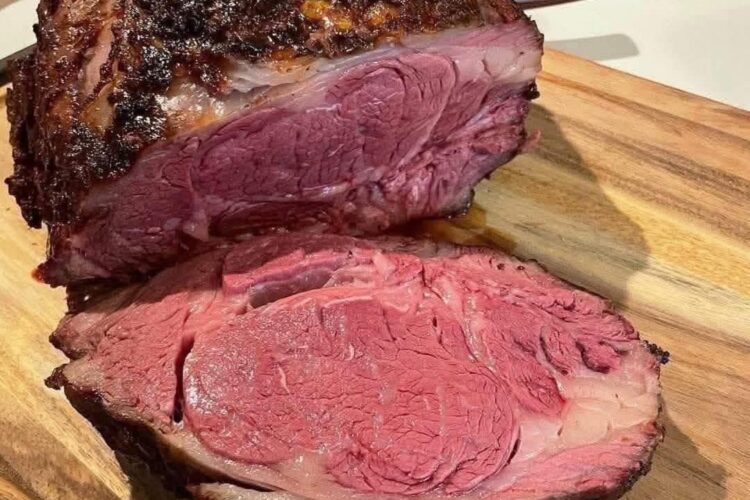
There’s something undeniably special about placing a perfectly cooked prime rib roast at the center of the table. With its beautifully browned crust, tender interior, and rich, juicy flavor, this iconic dish has earned its place as a centerpiece for holidays, celebrations, and memorable family dinners. Whether you’re preparing a festive meal or simply want to impress your guests, prime rib delivers a restaurant-quality experience right from your own kitchen.
Despite its elegant appearance and reputation, prime rib is surprisingly approachable. With a few simple ingredients and the right cooking technique, you can create a roast that’s both impressive and deeply satisfying.
Why Prime Rib Is So Loved
Prime rib stands out among beef roasts for several reasons. It’s not just about presentation—it’s about flavor, texture, and the overall experience.
First, it is exceptionally tender. Thanks to its natural marbling, the fat melts during cooking, resulting in meat that is juicy and soft with every bite. Second, it offers a rich, beef-forward flavor that doesn’t need much enhancement. Even simple seasoning allows the natural taste to shine.
It’s also incredibly versatile when it comes to doneness. Whether you prefer rare, medium-rare, or medium, prime rib maintains its quality and remains a crowd favorite. Add to that the fact that it requires minimal ingredients, and you have a dish that is both luxurious and surprisingly simple.
Prime rib strikes a perfect balance between elegance and comfort. It feels special enough for holidays like Christmas or Easter, yet familiar enough to bring warmth to any gathering.
Understanding the Cut: What Is Prime Rib?
Prime rib comes from the rib section of the cow and is often referred to as a standing rib roast. This cut is known for its generous marbling, which contributes to its tenderness and flavor.
There are two main variations you can choose from:
- Bone-in prime rib: This version offers more flavor and creates a dramatic presentation. The bones also help insulate the meat during cooking.
- Boneless prime rib: Easier to carve and slightly more convenient, while still delivering excellent flavor.
When selecting your roast, look for one with good marbling throughout the meat. The fine streaks of fat are essential for achieving that signature juicy texture.
Ingredients You’ll Need
One of the best things about prime rib is how simple the ingredient list can be. You don’t need complicated marinades or sauces to make it shine.
Here’s what you’ll need:
- 1 prime rib roast (about 4–6 pounds)
- 2 tablespoons olive oil
- 4 cloves garlic, minced
- 2 tablespoons fresh rosemary, finely chopped
- 2 tablespoons fresh thyme
- 2 teaspoons kosher salt
- 1½ teaspoons freshly ground black pepper
- Optional: butter for finishing
These ingredients work together to enhance the natural richness of the beef without overpowering it.
Step-by-Step: How to Cook Prime Rib
1. Bring the Roast to Room Temperature
Before cooking, remove the roast from the refrigerator and let it sit at room temperature for 1 to 2 hours. This step is crucial because it ensures even cooking throughout the meat. Starting with a cold roast can lead to an overcooked exterior and undercooked interior.
2. Season Generously
Pat the roast dry with paper towels to help the seasoning stick. Rub it all over with olive oil, then coat it evenly with garlic, rosemary, thyme, salt, and pepper.
Don’t be shy with seasoning—this is a large cut of meat, and proper seasoning is key to developing flavor.
3. Start with High Heat
Preheat your oven to 230°C (450°F). Place the roast fat-side up on a rack inside a roasting pan. The rack allows heat to circulate evenly, while the fat layer helps baste the meat as it cooks.
Roast for about 20 minutes at this high temperature. This step creates a beautifully browned crust that locks in flavor and adds texture.
4. Slow Roast to Perfection
After the initial high-heat phase, reduce the oven temperature to 165°C (325°F). Continue roasting until the internal temperature reaches your desired level of doneness:
- Rare: 48–50°C (120–122°F)
- Medium-rare: 52–54°C (125–130°F)
- Medium: 57–60°C (135–140°F)
As a general guideline, cooking will take approximately 15–17 minutes per pound, but using a meat thermometer is the most reliable way to get perfect results.
5. Let It Rest
Once the roast reaches your desired temperature, remove it from the oven and loosely tent it with foil. Let it rest for 20 to 30 minutes.
This resting period allows the juices to redistribute throughout the meat, ensuring every slice is juicy and flavorful. Skipping this step can result in dry meat and lost juices.
Tips for the Perfect Prime Rib
Cooking prime rib isn’t complicated, but a few key tips can elevate your results from good to exceptional.
Always use a meat thermometer to avoid guesswork. Precision is essential when cooking a premium cut like this.
Never skip the resting time. It’s just as important as the cooking process itself.
Cook the roast with the fat side facing up. As it renders, the fat naturally bastes the meat, adding flavor and moisture.
When it’s time to carve, slice against the grain. This makes each bite more tender.
Finally, don’t discard the pan drippings. They are packed with flavor and can be used to make a delicious au jus sauce.
What to Serve with Prime Rib
A great prime rib deserves equally delicious side dishes. The richness of the meat pairs beautifully with a variety of classic accompaniments.
Creamy mashed potatoes or crispy roasted potatoes are always a hit, providing a comforting balance to the savory beef. Yorkshire pudding is another traditional favorite, perfect for soaking up juices.
For vegetables, consider green beans, asparagus, or creamed spinach. These add freshness and color to the plate.
To enhance the flavor even further, serve your prime rib with horseradish sauce or a simple au jus made from the pan drippings.
Storing and Using Leftovers
If you’re lucky enough to have leftovers, prime rib can be just as enjoyable the next day.
Store any remaining meat in an airtight container in the refrigerator for up to three days. When reheating, do so gently at a low temperature to prevent the meat from drying out.
Leftover prime rib is incredibly versatile. Use it to make hearty sandwiches, a savory breakfast hash, or even a rich beef stroganoff. Its flavor holds up beautifully in a variety of dishes.
Final Thoughts
A perfectly cooked prime rib roast is more than just a meal—it’s an experience. From the moment it comes out of the oven to the final slice served at the table, it creates a sense of occasion that few dishes can match.
With simple seasoning, careful temperature control, and a bit of patience, you can achieve steakhouse-quality results in your own kitchen. Whether you’re celebrating a holiday or hosting a special dinner, prime rib is always a choice that impresses.
Once you’ve mastered this classic recipe, it’s likely to become a tradition—one that friends and family will look forward to again and again.